How to Open a Private School: Essential Steps for Success
Private schools are booming in the United States with 34,500 schools now serving students nationwide. Educators and entrepreneurs have a great chance to shape students’ lives by opening a private school. But how do you open a private school? That’s the obvious question.
Well, let’s find out!
You see, taking this path requires careful planning, proper licensing, and a solid grasp of educational standards. Starting a private school takes market research, reliable funding, and a strong curriculum to succeed.
This piece gets into everything you need to know about opening your school. You’ll learn how to create an educational vision, build the core team, and manage student enrollment. The focus stays on practical strategies that drive lasting success in private education. But first:
Develop Your Private School Concept and Vision
A clear concept and vision serve as the lifeblood of establishing a successful private school and shape every subsequent decision in the school creation process.
Define your educational philosophy and curriculum
A well-laid-out curriculum serves as the foundation of every private school’s educational program. The curriculum should line up with clear learning goals that help students succeed in college and their future careers. Private schools need specific and measurable learning targets that match their teaching philosophy. Students get real-life application experience and hands-on learning opportunities that build their critical thinking and problem-solving abilities.
Identify your target student population

To open a private school, you must have a clear understanding of target demographics. This subtle but often ignored part of the process helps develop programs and services that actually work. Schools need to think about serving specific groups based on ability, faith, gender, or age. A well-detailed description of the parent personas helps focus marketing efforts and shapes the educational approach.
Here are some key factors to look out for:
- Geographic location and income levels
- Educational needs and learning styles
- Cultural and community background
- Special educational requirements
Create a mission statement and core values
A powerful mission statement outlines the school’s purpose, values, and goals that serve as guiding principles for decision-making. Well-written mission and vision statements have been shown to boost attendance rates, academic achievement, and staff well-being. The mission statement must effectively convey:
The school’s main purpose and educational philosophy. Student demographics and grade levels served. Distinctive qualities and unique characteristics. Core values that shape actions and decisions.
Teachers, administrators, and community members should participate in the development process. Their shared input will build a strong foundation for the school’s culture and create values that appeal to all stakeholders.
Navigate Legal and Regulatory Requirements
To open a private school, you will need proper legal frameworks that align with regulatory requirements and compliance standards. This step will give your school stability and legal protection in the long run.
Choose a legal structure (non-profit vs for-profit)
A school’s legal structure substantially affects its operations and funding options. Private schools typically operate as non-profit organizations to receive tax-deductible donations and tax exemptions. While for-profit structures are rare, they provide better operational control and profit distribution flexibility. Both structures have unique features:
Non-profit Structure:
- Requires 501(c)(3) federal tax-exempt status
- Must maintain detailed financial records
- Can receive tax-deductible donations
- Governed by a board of trustees
For-profit Structure:
- Operates as a business corporation or LLC
- Greater control over earnings distribution
- Subject to standard business taxation
- More flexible operational control
Get Required Licenses and Permits
To open a private school, you will need licenses and permits to start operations. The complete process takes 18-24 months. These requirements include:
- Occupancy permits specifically zoned for educational use
- Health and fire inspection clearances
- State-specific educational licenses
- Local business permits
What better time to kick-start the processes than now? The best part is – EduVision LLC is here to support your journey every step of the way. Our team, composed of seasoned professionals in American education both domestically and internationally, brings the insights and resources needed to make your vision a reality.
Whether you’re navigating regulatory requirements, crafting a curriculum, or building a foundational mission, we’re ready to provide tailored solutions for your unique needs.
At EduVision, we believe in empowering educators to foster environments where students thrive and schools excel. Reach out to us today for a personalized consultation, and let us help transform your educational vision into a thriving institution.
Ensure compliance with education laws and regulations
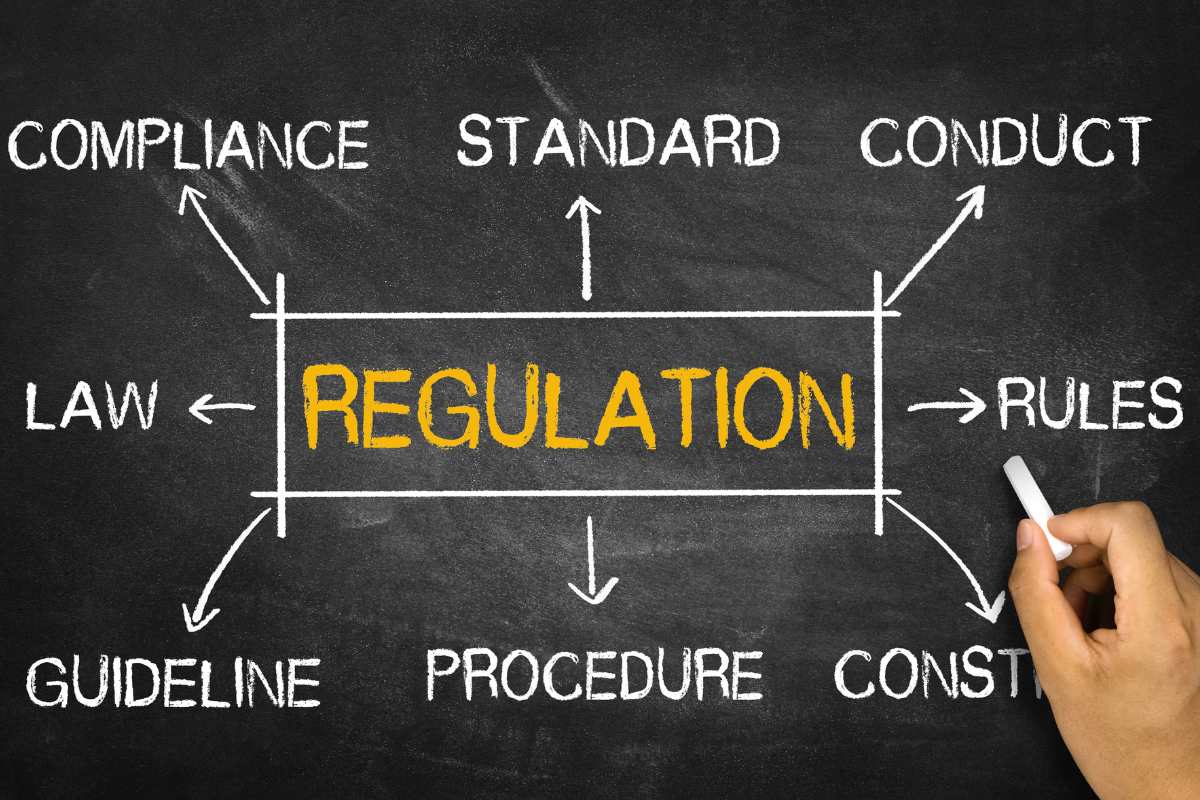
Private schools follow state-specific education regulations while retaining control of their educational approach. These schools comply with compulsory education laws that require instruction for students between 6 and 18 years of age. They also need to:
- Deliver instruction in required subjects at the same depth as public schools
- Keep accurate student and staff records
- File annual private school affidavits
- Meet health and safety codes for facilities
- Have appropriate insurance coverage, including liability and property insurance
Private schools operate independently from state education departments. However, they need to meet regulatory requirements while preserving their autonomy in curriculum development and teaching methods.
Secure Funding and Facilities
Financial planning and facility selection are significant steps to establish a successful private school. A comprehensive strategy for these elements will give a sustainable and optimized operation in the long run.
Create a detailed business plan and budget
A solid budgeting process is a critical roadmap to private school success. Schools need to develop detailed financial projections for 3-5 years that include revenue forecasts, operational expenses, and cash flow analysis. A complete budget should align with the school’s mission and goals. The budget must focus on instructor salaries because they represent the largest expenditure.
Schools can track their live performance metrics by monitoring the budget and comparing it with actual numbers regularly.
Explore funding options (loans, grants, investors)
Private schools can tap into several funding sources to support their establishment and growth. The Small Business Administration (SBA) provides loans of up to $5 million that schools can use for facilities and equipment. Here are the main funding options:
- Government Programs: SBA 504 loans give schools up to 90% LTV financing with 10-20-year terms
- Private Grants: Foundations and corporations offer these with no repayment needed
- Tuition Revenue: Schools rely on this as their main source for operations and teacher salaries
- Endowments: These build the school’s long-term financial stability
Find and prepare an appropriate school location
A school’s success substantially depends on its facility selection because it creates the first impression for potential students and their families. Schools need economical and green building solutions that ensure proper facility design and maintenance. School administrators should focus on these key areas:
Make sure educational specifications fit classroom space requirements. Create a detailed long-range property plan. Complete full facility audits. Include security improvements and outdoor learning spaces in the plan.
The facility must have enough space for expected enrollment and future expansion. Latest data shows private schools put about $304 million into facility programs. These programs help around 67,000 students with funding that ranges from $7,000 to $43,000 per student.
Build Your Team and Launch

Private school success ended up relying on a talented team that implements operational strategies effectively. Strong foundations during the launch phase drive academic excellence and stimulate continuous growth.
Recruit qualified teachers and staff
Private schools need educators who line up with their educational philosophy and have required certifications. Each state has different teacher certification requirements. Some states require specific credentials for private school teachers. Schools should look for these qualities in their faculty team:
- Advanced degrees in teaching subjects
- State-required certifications
- Previous private school experience
- Cultural fit with the school mission
- Showed teaching excellence
Top talent requires competitive compensation packages. Schools that offer tuition remission and complete benefits packages keep their teachers longer. Private school teacher’s salary typically ranges from $32,000 to $61,000 per year.
Develop policies and procedures
Educational institutions need clear operational guidelines to deliver consistent services. Schools should maintain comprehensive documentation of their procedures that includes attendance records and student performance metrics. The administration must track attendance monthly and establish emergency protocols with regular safety drills.
Market your school and begin student enrollment
A detailed marketing strategy helps attract prospective students. School websites have become the main information hub for prospective families in today’s digital world. Here are some successful enrollment strategies:
| Marketing Channel | Purpose |
| School Website | Information hub and portal access |
| Social Media | Community engagement and updates |
| Email Campaigns | Nurture prospective families |
| Direct Mail | Targeted outreach (5x more effective than email) |
The admission journey moves through several steps from the original inquiry to final enrollment. Most U.S. private schools send acceptance letters between February and April. Schools should make their admission decisions on a clear timeline. Financial aid decisions should line up with admission timelines so families can make informed enrollment choices.
Conclusion
Starting a private school just needs you to focus on four key areas: vision development, legal compliance, financial planning, and operational execution. Your success depends on having a clear educational philosophy, getting proper licenses, finding reliable funding sources, and building a qualified team.
These basic elements combine to create a school that delivers quality education and stays financially stable while following all regulations. Quality private schools make a real difference in educational outcomes.
They help develop communities through their unique teaching methods and specialized programs. School founders who pay attention to each planning element set their schools up to grow and excel academically. When you do this and stay organized, you create learning environments where students flourish and reach their full potential. Your school also stays competitive in the private education sector.
For those inspired and who wish to learn how to open a private school, get in touch with EduVision LLC Today. You will be glad you did.