Quick answer: Digital marketing helps international schools reach families who search online long before they visit. The core pieces are a clear, fast website, local SEO, social media that shows real school life, focused paid ads, email follow-up, active review management and virtual open houses. Together they build trust and turn interest into enrollment.
Picture a family relocating to a new country. One of the first things they do is search online for schools. If your school is hard to find, or your website feels dated, they move on before you ever meet them.
A website alone is not enough. International schools need a joined-up online presence that is easy to find, easy to use and full of real stories. This guide covers seven channels that work and how to use them well.
Why do international schools need digital marketing?
Many international schools compete for the same mobile, well-informed families. Those families research carefully and compare options across several schools.
Good digital marketing helps you:
- Reach parents who are actively looking for schools
- Look professional and trustworthy online
- Show your programs, culture and student life
- Communicate with families quickly
- Turn early interest into applications and enrollment
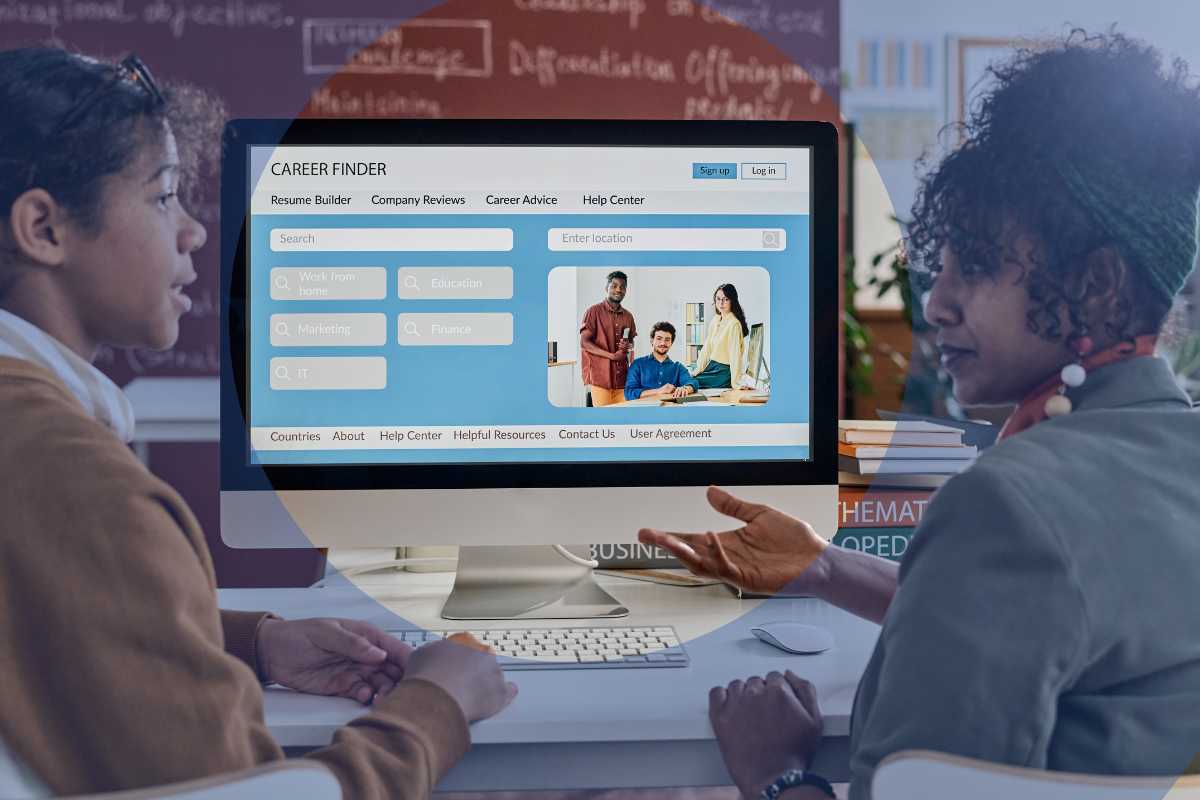
A strong online presence gives parents confidence when it is time to choose. It is now a basic need, not an extra.
What makes a strong international school website?
Your website is your front door. If it looks old or is hard to use, families leave. A strong school website includes:
- Easy navigation. Admissions, fees, curriculum and contact details are one click away.
- Real photos and video. Show students, teachers and campus life, not stock images.
- Mobile-friendly design. Many parents browse on phones.
- Fast loading. Slow pages lose visitors.
- Helpful content. Blog posts, student stories and parent reviews build trust.
- A clear next step. An inquiry form, tour booking or admissions guide on every key page.
International families may read in several languages. Consider key pages in the languages your families use most.
How does SEO help international schools get found?
Search engine optimization (SEO) helps your school appear when parents search online. If families cannot find you, nothing else matters.
Focus on these basics
- Use the words parents use. Think "American curriculum school in Bangkok" or "IB school near me."
- Fix the technical basics. Clear page titles, good descriptions, fast pages and working links.
- Publish helpful articles. Answer real questions, such as how to choose a school or how admissions works.
- Set up local listings. Claim and complete your Google Business Profile and list your school in trusted directories.
SEO takes time, but its results build on each other. Steady effort brings visitors without paying for every click.
How should schools use social media?

Social media helps families feel what your school is like. Each platform has a role.
| Platform | Best use |
|---|---|
| Facebook and Instagram | Photos, short videos, events, live Q&A sessions |
| Teacher recruitment, leadership news, school milestones | |
| YouTube | Virtual tours, student stories, longer explainer videos |
| Local platforms | Channels your families use in your country, such as WeChat or LINE |
Social media habits that work
- Post regularly, with real moments rather than only announcements.
- Use paid promotion to reach parents by location and interest.
- Invite families and students to comment and share.
- Tell stories that show your values. This guide to school brand storytelling offers practical ideas.
When should schools use paid advertising?
SEO builds slowly. Pay-per-click (PPC) ads on Google and social platforms put your school in front of families right away.
With paid ads you can:
- Appear at the top of search results for key terms
- Target parents by city, interests or program
- Measure results and improve campaigns quickly
For example, a school launching a new program can show ads to parents in specific cities who search for that type of program.
Start with a modest budget and focus on genuine inquiries, not clicks. Track cost per inquiry and cost per enrollment. Advertising rules differ by country and platform, so check local requirements.
How does email marketing help families decide?

Few families enroll after a single visit. Email keeps your school in mind while they decide.
A simple email sequence includes:
- Welcome email. Thank them for their interest and share what makes your school special.
- Event invitations. Invite them to open houses, Q&A sessions or shadow days.
- Family stories. Share real experiences from current parents and students.
- Helpful guides. Answer common questions about admissions, curriculum or relocation.
- Reminders. Gently flag deadlines so they do not miss them.
Follow local privacy and consent rules for email in each country where you market. A school CRM makes these sequences easier to manage.
How do online reviews affect enrollment?
Many parents check reviews before they contact a school. Positive reviews build trust fast.
- Ask happy families for reviews. The best time is after a good moment, such as a strong report or event.
- Reply to every review. Thank people for positive ones. Respond calmly and helpfully to negative ones.
- Monitor regularly. Check reviews and mentions often and address issues quickly.
Never post fake reviews or offer rewards in exchange for positive ratings. It damages trust and may break platform rules.
Why run virtual open houses?
Many international families cannot visit in person before they move. Virtual events let them meet your school from anywhere.
- Host live Q&A sessions with the head of school and admissions team.
- Offer live or recorded virtual tours.
- Invite teachers to talk about subjects, activities and student life.
- Schedule sessions at times that suit families in different time zones.
Follow up with every attendee within a day or two. Online schools rely on this even more, as shown in this guide to marketing an online school internationally.
How do you bring these channels together?
Each channel works better when it supports the others. A simple plan looks like this:
| Family stage | Main channels |
|---|---|
| Discover | SEO, paid ads, social media |
| Explore | Website, reviews, social media |
| Engage | Virtual open houses, email, tours |
| Decide | Admissions follow-up, family stories |
| Stay | Ongoing communication and community |
Make sure every channel tells the same story about who you are. A clear identity helps, as explained in this guide to building a school brand that attracts families. For a broader enrollment system, see these strategies for K-12 enrollment growth.
What does a practical first-year plan look like?
Seven channels can feel like too much for a small marketing team. You do not need to start them all at once. Build in layers.
| Quarter | Focus | Example actions |
|---|---|---|
| 1 | Foundation | Refresh key website pages, set up Google Business Profile, fix inquiry forms |
| 2 | Visibility | Publish two helpful articles a month, post three times a week on one main platform |
| 3 | Conversion | Start a welcome email sequence and run one virtual open house a month |
| 4 | Growth | Test a small paid search campaign and launch a review request routine |
Here is a simple worked example. Picture an international school with one marketing coordinator and a modest budget. In the first quarter, the coordinator finds that the admissions page has no clear fee guidance and the inquiry form is hard to use on phones. Fixing those two issues makes it easier for families to reach out.
In the second quarter, the coordinator writes articles that answer questions families already ask the admissions office. By the fourth quarter, the school knows which channels bring families who enroll. It puts its ad budget there.
What digital marketing mistakes should schools avoid?
In my work with international schools, these mistakes come up most often:
- Posting without a plan. Random posts rarely build trust. Choose a few themes and repeat them.
- Using stock photos. Families can tell. Real images of your students and teachers work better, with proper consent.
- Ignoring the inquiry. Marketing creates interest. A slow reply wastes it.
- Spreading too thin. Two channels done well beat six done poorly.
- Not tracking sources. Ask every new family how they found you, and record it.
Smaller schools should start with their website, local listings and one social platform. Online schools need stronger email follow-up and virtual events, since families never visit a campus. Schools in several markets should check privacy and advertising rules in each country.
What should you measure?
Track a small set of numbers each month:
- Website visitors and inquiry form completions
- Inquiries by source, such as search, ads, social or referrals
- Open house and tour attendance
- Applications and enrollments
- Cost per inquiry and cost per enrollment for paid channels
Review results with your admissions team and shift effort toward what works.
Get support with your school's digital marketing
EduVision helps international and private schools plan websites, SEO, social media, advertising and email systems that bring in the right families. Explore our school marketing and digital presence services or contact EduVision to review your current online presence.
Frequently asked questions
Where should an international school start with digital marketing?
Start with your website and Google Business Profile. Make sure families can find you, understand you and contact you easily. Then add social media, email and ads.
How long does SEO take for a school?
Expect several months before search traffic grows. Paid ads can bring inquiries sooner while SEO builds.
Which social platform is best for international schools?
It depends on where your families are. Facebook, Instagram and YouTube work in many markets. Some countries rely on local platforms, so ask current parents what they use.
Should we respond to negative reviews?
Yes. Reply politely, acknowledge the concern and offer to continue the conversation privately. Calm, helpful replies build trust with future families.